Travel › Estonia & Latvia › Valga–Valka
Letsa Travel · Estonia & Latvia

Valga–Valka: one town, two countries, split in 1920

A railway town on the Estonia–Latvia border that was divided by a British colonel in 1920 and is now a twin town with no border checks.

The story

A town the border cut in half

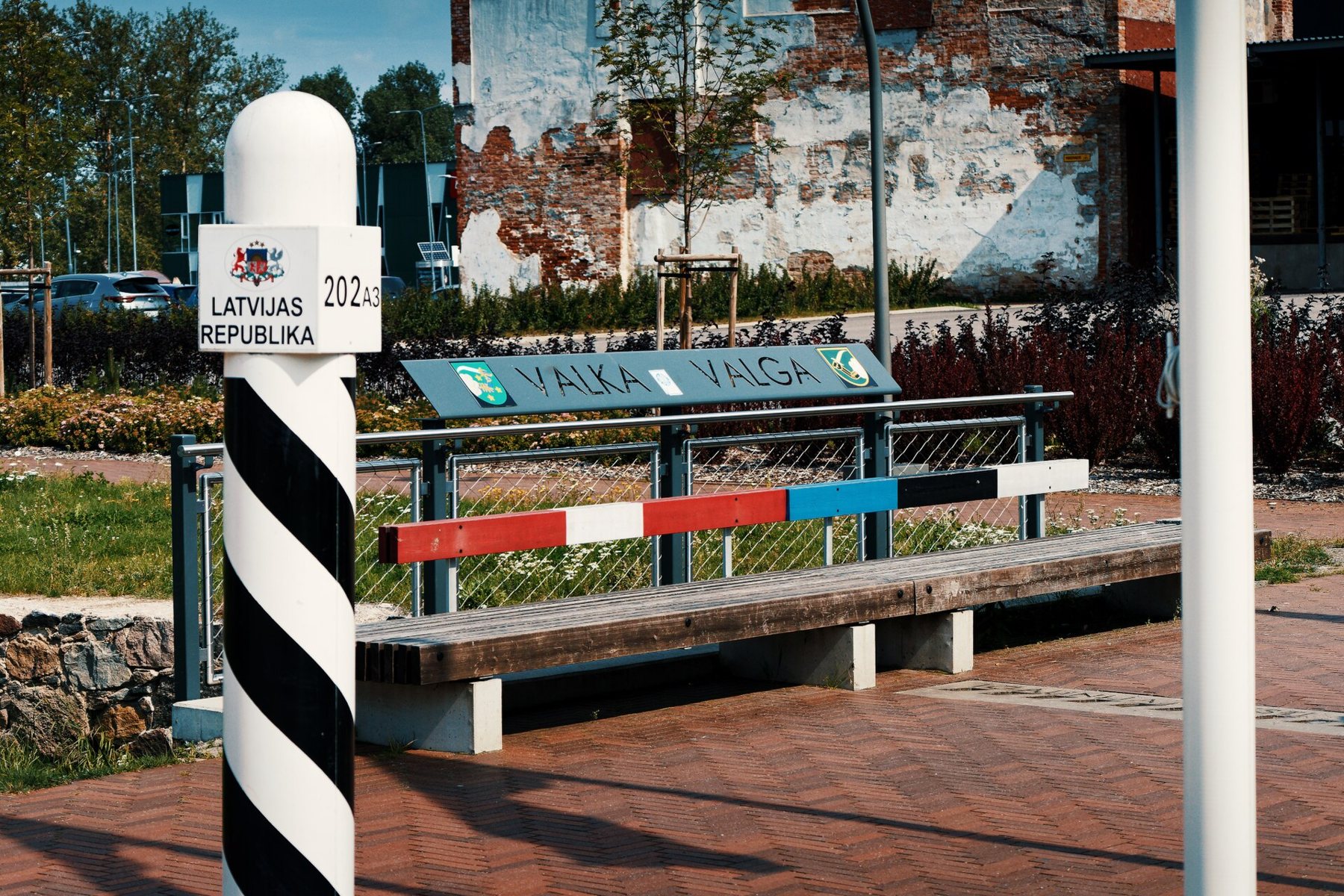
Valga in Estonia and Valka in Latvia were one town until 1920. On 1 July 1920, the British envoy Colonel S. G. Tallents settled the Estonia–Latvia border, and the city was divided into Estonian and Latvian areas, according to ethnicity.

Valga covers 16.5 km² and had 12,010 residents in the 2021 census. It was first mentioned in 1286, and its railway station opened in 1889 on the Tartu–Valga line. The town’s motto is “1 linn, 2 riiki”, meaning one city, two countries.

On 21 December 2007, border crossing points were removed and roads and fences opened between the two countries, when both joined the Schengen Agreement. Today you can walk from one country to the other in the town center.

The town was a founding member of the City Twins Association, set up in Imatra, Finland, on 13 December 2006.

1 July 1920the border was drawn through the town
2007border checkpoints removed
16.5 km²area of Valga

From our Letsa Atlas Short · Watch on YouTube

Practical guide

Plan your Valga–Valka trip

Check before you go: Valga is in Estonia and Valka is in Latvia, and you cross between them without border checks. Bus no. 3 runs between the towns a few times a day, so check the timetable.

Getting there

  • Elron runs trains Tallinn–Tartu–Valga.
  • Tartu is 89 km away, Riga 175 km and Tallinn 245 km.
  • Valga sits at a junction of roads and railways, and its station opened in 1889.

Crossing the border

  • Border checkpoints were removed on 21 December 2007.
  • City bus no. 3 connects Valga and Valka three times a day from the Valga train station (as of 2025).
  • Carry ID, as rules for your passport can change.

What to see in Valga

  • Valga Town Hall and St. John’s (Jaani) Church, completed in 1816.
  • The railway station and the Valga Linnapark.
  • Vabaduse Street and the old border crossing at Sepa/Semināra Street.

History

  • First mentioned in 1286 in the credit register of Riga.
  • Divided on 1 July 1920 by Colonel S. G. Tallents.
  • Became a county centre in 1921.

People

  • In 2021 Estonians were 59.2 percent of residents, Russians 26.3 percent and Latvians 5.65 percent.
  • Population peaked at about 18,500 in 1979.
  • The twin towns have cooperated for years.

The twin-town idea

  • Valga was a founding member of the City Twins Association, set up in 2006.
  • Other member towns include Narva, Görlitz and Vejle.
  • The motto is 1 city, 2 countries.

Details come from Wikipedia and local tourism sources, which may not show the latest timetables. We checked on November 1, 2026. Entry rules, fees and prices change, so confirm them with official sources before you reserve.

Want the full picture? Read our complete Valga–Valka travel guide: how the border was drawn, how to get there, how to cross and what to see.
Where to stay

Find a place to stay

Valga is the easiest base for this trip. Compare prices and reviews, and check the cancellation terms before you reserve.

See stays in Valga on Booking.com →

Some links on this page are affiliate links. If you book through them, Letsa Atlas may earn a small commission at no extra cost to you.

Sources checked November 1, 2026: Wikipedia: Valga, Estonia · Wikipedia: Valka