Liberia is a West African country on the Atlantic coast, with 111,370 square kilometers and an estimated 5,437,249 people in 2024. Its capital and largest city is Monrovia. The official language is English, the main currency is the Liberian dollar, and the US dollar is also legal tender.
Its flag has 11 stripes and a single star in a blue square, and it looks like the American flag, which reflects how the country was founded. For visitors, the stories, the coast and the rainforest matter more than a list of sights, and good planning matters most.
For the quick version of this page, see our Liberia travel guide.
The flag was adopted on 24 August 1847, a month after independence, and has 11 stripes. The design echoes the American flag. A common explanation is that the 11 stripes stand for the signers of the declaration of independence, and the single star stands for Africa's first republic. Check the national sources if you want the official wording.
The flag is a good way into the story of the country, and you will see it in public buildings, markets and schools.
The American Colonization Society began settling free people of color on the Pepper Coast in 1822 and was central to the colony's establishment. Liberia declared independence on 26 July 1847, although the United States did not recognise it until 1862.
The capital, Monrovia, is named after US President James Monroe. The history is complicated, because settlers arrived on land where many peoples already lived, and it continues to shape politics and society. Approach it with curiosity and ask local people about their own histories.
Liberia, together with Ethiopia, is described as one of the only African countries never fully colonised. That claim is often repeated in discussions of Africa's history, and it is a reason the two countries appear together in our channel's videos. See our Ethiopia guide for the other half of that story.
Liberia covers 111,370 square kilometers. The 2024 population estimate is 5,437,249. English is the official language, and many local languages are spoken. The main currency is the Liberian dollar, and the US dollar is also legal tender, which is unusual and useful for travellers.
Firestone operates the world's largest rubber plantation at Harbel in Margibi County, and in 2015 it was the country's largest private employer. Roberts International Airport was built by the United States under the Lend-Lease program during the Second World War. These facts reflect long links between Liberia and the United States.
Heavy rainfall comes during a rainy season from May to October, followed by dry harmattan winds from November to March. For most visitors the dry season is the more practical time to travel, since roads and beaches are easier to use, but conditions vary by region.
Plan for heat and humidity throughout the year, carry rain protection and sun protection, and check current road conditions.
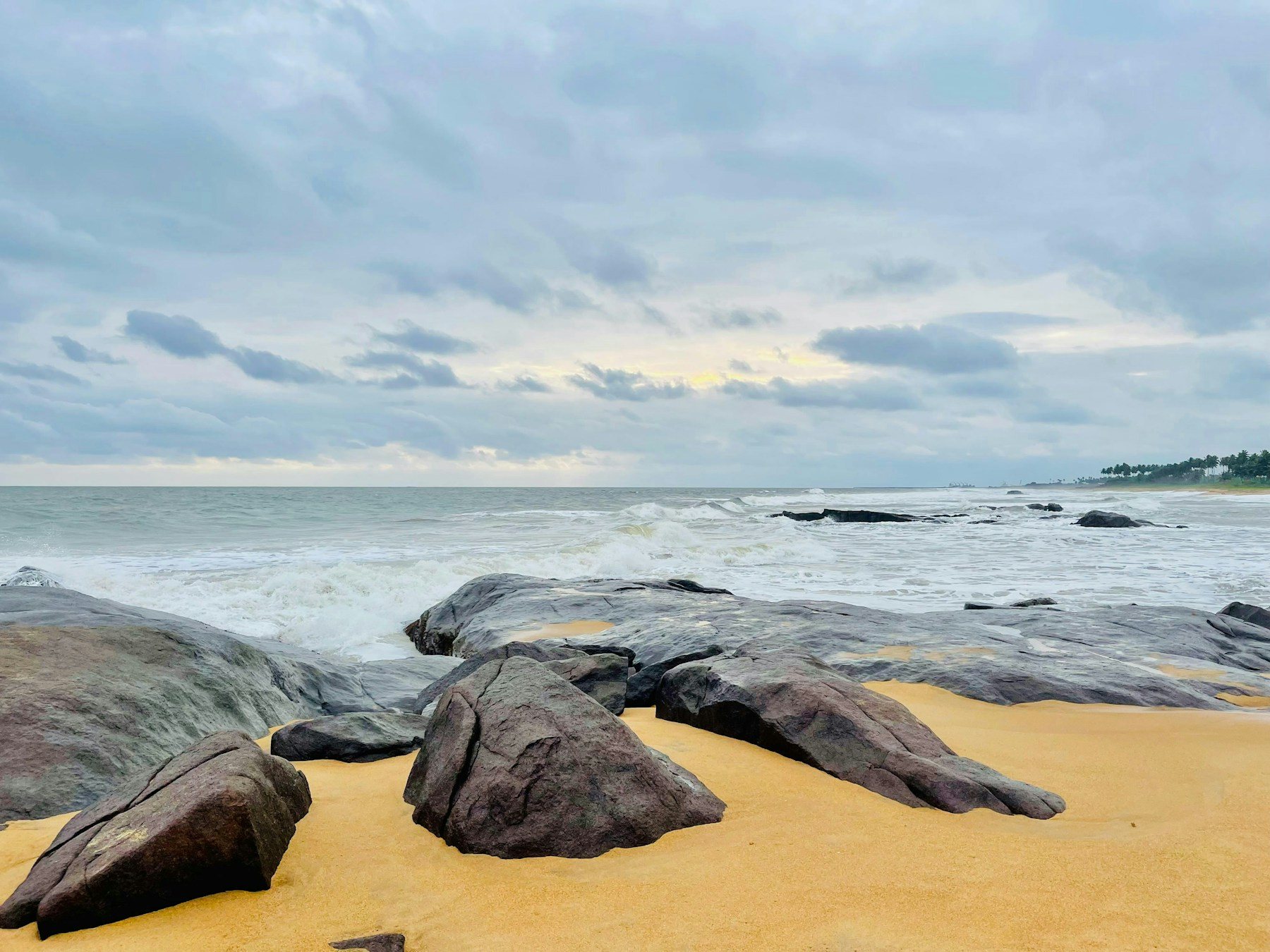
Liberia has an Atlantic coast with beaches and rocky shorelines, and large areas of tropical forest in the interior and south-east. Sapo National Park is part of conservation work in the south-east. Ask locally before swimming, since currents can be strong, and use local guides in forests and protected areas.
Check your government's current travel advice before you book and again before you leave. Carry travel insurance that covers medical evacuation, ask your doctor about vaccinations and malaria prevention well before you travel, and keep copies of your documents. Roads can be poor in the wet season, so plan extra time.
We have not verified current flight schedules, so check with airlines. International flights arrive at Roberts International Airport near Monrovia. Entry rules and visa requirements depend on your passport and change, so confirm them with official sources.
Within the country, many trips are by road, and distances can take longer than expected. Plan with flexibility.
Monrovia has the widest choice of places to stay, and options elsewhere are limited. Book ahead and confirm directly. US dollars are widely accepted alongside Liberian dollars, but bring clean, undamaged notes, and do not count on cards working outside major hotels.
Monrovia is the capital and largest city and the usual arrival point. Spend time in the markets, along the waterfront and at museums that explain the history of settlement and independence. Use licensed taxis, agree fares before you travel and avoid walking alone at night. Ask your hosts which areas are best for visitors.
Rice is the staple, served with soups and stews made with fish, chicken or greens, and cassava, plantain and palm oil are common. The coast has fresh fish and seafood. English is spoken widely, and Liberian English has its own expressions, so listen and ask. Take cash in small notes for markets and taxis, and expect things to move at a slower pace than in a big city elsewhere.
See a travel clinic well before you go. Malaria is a risk in the region, so ask about prevention, carry insect repellent and use a bed net where provided. Drink only bottled or treated water, and bring a basic medical kit. Medical facilities are limited outside the capital, so check that your insurance covers evacuation.
Plan carefully and use local advice.
This is our own suggestion, not an official itinerary.
Ask before photographing people, dress modestly outside beach areas, and listen to what people say about their own country. A greeting in English and a patient attitude go a long way. Be mindful of sensitive subjects such as the civil wars of the 1990s and 2000s: let local people raise them in their own time, and do not press for stories. Support local businesses, guides and artisans where you can, and agree prices before you buy.
The country was founded by freed Black Americans settled by the American Colonization Society from 1822, and the flag adopted on 24 August 1847 echoes the American design.
11.
26 July 1847, though the United States did not recognise it until 1862.
Monrovia.
The Liberian dollar, with the US dollar also legal tender.
May to October.
English is official.
It is described, along with Ethiopia, as one of the only African countries never fully colonised.
Options are limited outside Monrovia, so book ahead, confirm directly and check current conditions before you travel. Compare prices and reviews, and check the cancellation terms before you reserve.
See stays in Monrovia on Booking.com →
Some links on this page are affiliate links. If you book through them, Letsa Atlas may earn a small commission at no extra cost to you.
We checked this guide on November 10, 2026. Entry rules, prices, security conditions and transport change, so check your government’s travel advice and official sources before you go. Confirm details with official sources before you go.
Sources checked November 10, 2026: Wikipedia: Liberia