Travel › Russia › Lake Baikal
Letsa Travel · Russia

Lake Baikal: the deepest lake on Earth freezes so clear you can see through it

Lake Baikal in Siberia holds roughly a fifth of the world's fresh water, reaches 1,642 meters deep and freezes every winter into ice clear enough to look straight through.

The story

The deepest, oldest lake on Earth

Lake Baikal is a rift lake in southern Siberia, Russia, between Irkutsk Oblast and the Republic of Buryatia. It is about 636 kilometers long, up to 79 kilometers wide and reaches a maximum depth of 1,642 meters, which makes it the deepest lake in the world. Its surface area is about 31,722 square kilometers.

Because it is so deep, Baikal is also the largest freshwater lake by volume. Wikipedia puts its water at roughly 22 to 23 percent of the world's fresh surface water. The lake is estimated to be 25 to 30 million years old, which makes it the oldest lake in geological history, and UNESCO named it a World Heritage Site in 1996.

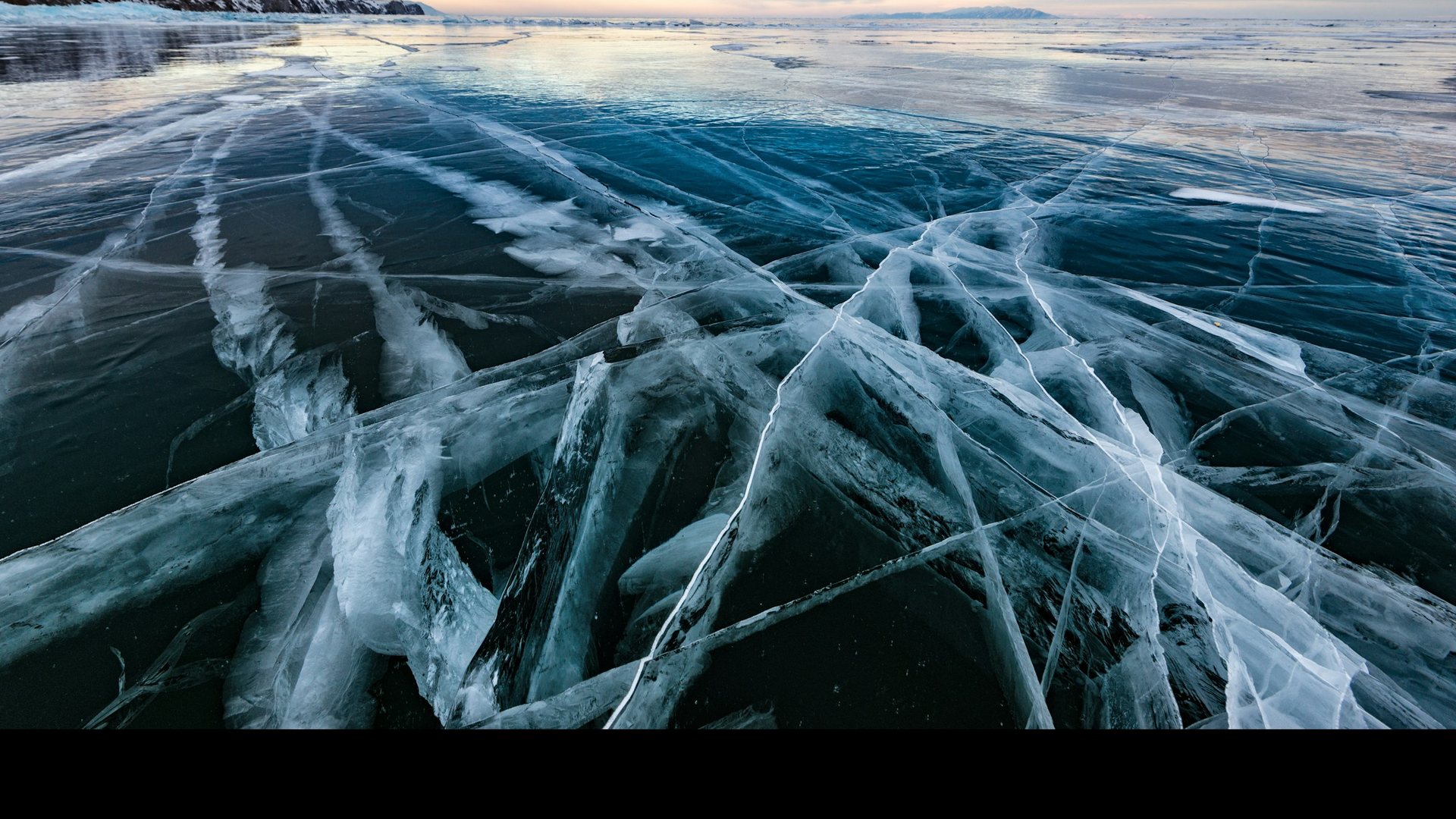
From early January to May or June the surface freezes. The ice is usually between 0.5 and 1.4 meters thick, and in winter the water below is so clear that visibility in open sections can reach 30 to 40 meters. That is why photos of Baikal ice look like cracked glass.

1,642 mmaximum depth, the deepest lake on Earth
25–30M yearsestimated age, the oldest lake
330rivers flow in, and only the Angara flows out

From our Letsa Atlas Short · Watch on YouTube

Practical guide

Plan your Lake Baikal trip

Check before you go: Ice conditions, ferries and road access change with the weather. Many governments currently advise against or restrict travel to Russia, entry rules depend on your passport, and foreign-issued Visa and Mastercard cards have been reported not to work there. Read your own government's advice and confirm every step before you plan a trip.

When to go

  • There are two main seasons: the ice season, roughly mid-January to mid-April, and summer. Walkable ice is usually a late-winter experience, so many guides point to late February and March. In shoulder seasons, while the ice forms or melts, parts of the lake are not safe to cross.

Where to base yourself

  • Listvyanka is the closest lake town to Irkutsk, about 75 kilometers away, with hotels and a small waterfront. Olkhon Island, the largest island in the lake at about 72 kilometers long, is the main destination for scenery, Buryat culture and the Shaman Rock.

Getting there

  • Fly to Irkutsk, the nearest airport, then take a bus to Listvyanka (about an hour and a half) or a long bus ride to Olkhon. The Trans-Siberian Railway also runs along the lake's southwest shore.

Safety and respect

  • Sudden cold storms are dangerous, not all ice is strong, and help can be far away. Go with a local guide on the ice, check conditions each day, and do not walk or drive on ice you have not been told is safe.

The photo above shows cracked ice on Lake Baikal. The Short also shows the skating ice, the Olkhon coast and the lake's nerpa seals. We checked on November 9, 2026. Entry rules, fees and prices change, so confirm them with official sources before you reserve.

Planning a trip? Read our full Lake Baikal travel guide: the ice season, Olkhon Island, summer on the lake, how to get there and what to check first.
Where to stay

Where to stay

Listvyanka and Olkhon Island are the two usual bases. Booking.com and Airbnb do not offer stays inside Russia, so we do not link a booking site here. Wikivoyage names Ostrovok.ru and Sutochno.ru as widely used lodging sites, and many guesthouses also take direct bookings. Hotels register foreign guests for you. Check the cancellation terms before you pay, and check your own government’s travel advice first.

Sources checked November 9, 2026: Wikipedia: Lake Baikal · Wikivoyage: Lake Baikal · Wikivoyage: Olkhon · UNESCO World Heritage: Lake Baikal