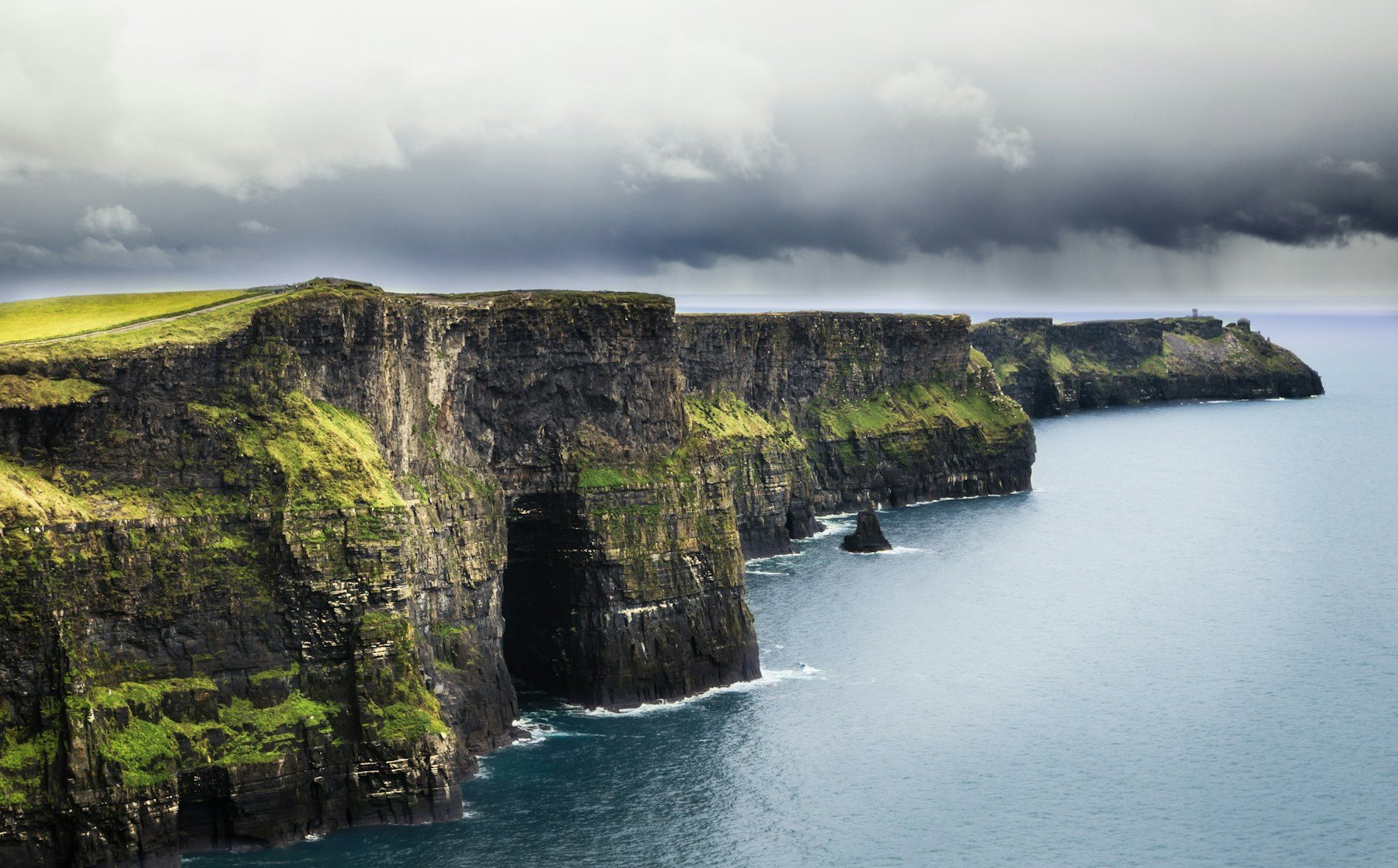
The country where Halloween lanterns began
The Republic of Ireland covers 70,273 km², with 5,149,139 people at the 2022 census and an estimate of 5,458,600 in April 2025. The capital and largest city is Dublin, with over 1.5 million people in its area. The state includes 26 of the island’s 32 counties.
Irish and English are both official languages, with Irish described as the first official language, although English dominates in practice. The currency is the euro. The Irish Free State became a Dominion on 6 December 1922, and the state was declared a republic in 1949.
Halloween has roots in the Irish festival of Samhain, and the jack-o’-lantern was traditionally carved from turnips in Ireland and Britain before emigrants to North America switched to pumpkins. That is the story told in our video.
For a visit, Dublin is the easiest base for a first trip, with the widest choice of places to stay and good links to the rest of the country. Many visitors then rent a car and drive on the left, which is the rule in Ireland, to reach the west coast, where roads can be narrow and winding. Pubs serve meals as well as drinks and often have live music, and cards are widely accepted. Weather changes within a day, so carry a waterproof jacket in every season, and book accommodation early around Halloween and in summer. Irish is the first official language, so you will see it on signs, but English is what most people speak day to day.
The climate is temperate oceanic, with winter lows of about -5 °C and summer highs of about 26 °C. Dublin, Shannon and Cork are the three main international airports.
From our Letsa Atlas Short · Watch on YouTube