The country with 13 months
Ethiopia has its own calendar, with 13 months: twelve of 30 days and a short thirteenth month of five or six days. It runs about seven to eight years behind the Gregorian calendar, and the new year starts in September, so late 2026 is still the Ethiopian year 2019.
It is a large country, with 1,104,300 km² and about 138 million people as of 2026. The capital and largest city is Addis Ababa, the currency is the birr, and the time zone is UTC+3. Official languages include Amharic, Oromo, Somali, Tigrinya and Afar.
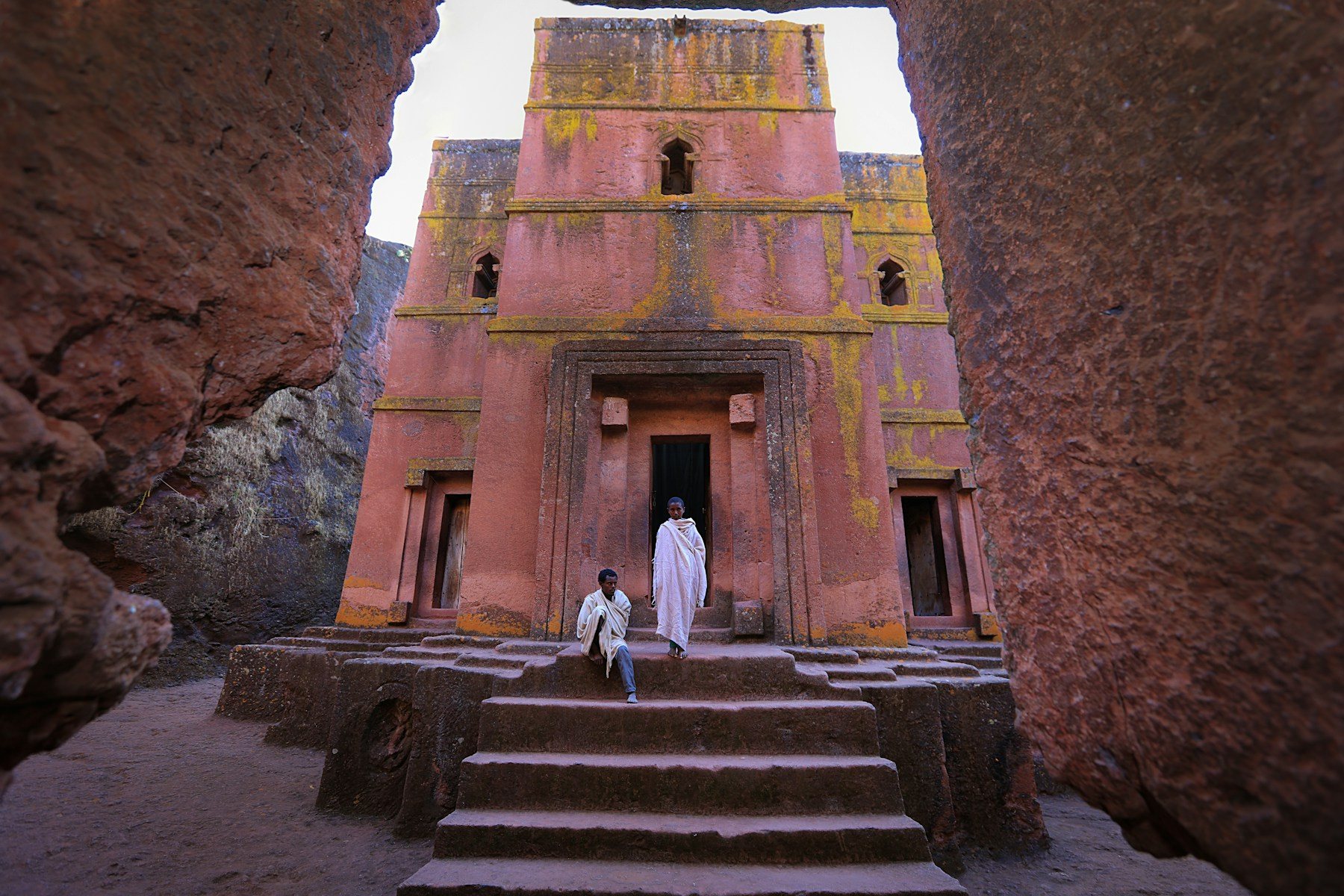
Ethiopia has the second-largest number of UNESCO World Heritage Sites in Africa. Lalibela, a capital of the Zagwe dynasty, is known for its rock-hewn churches, and Aksum was once the centre of a major ancient kingdom.
For a visit, the calendar is a good detail to check early. You may see two dates on signs and documents, and Ethiopians traditionally count the hours of the day from sunrise, so confirm times in writing when you book transport and tours. Conditions differ by region and change, so check your government’s travel advice before you book and again before you leave.
Italy invaded in 1935 and ruled from 1936 to 1941, but Ethiopia, along with Liberia, is described as the only African country never fully colonised. It is often considered the birthplace of coffee, with cultivation said to have begun in the 9th century.
From our Letsa Atlas Short · Watch on YouTube