Travel › Mexico › Yucatán Cenotes
Letsa Travel · Mexico

Yucatán Cenotes: swim on the edge of a dinosaur crater

The Yucatán Peninsula has thousands of natural swimming holes, and many of them line up along the buried edge of the crater left by the asteroid that wiped out the dinosaurs.

The story

A ring of sinkholes around a buried crater

A cenote is a natural sinkhole where the limestone ground has collapsed and exposed the groundwater below. The Yucatán Peninsula has no surface rivers to speak of, so this underground water is what its people have long relied on, and today it is also what visitors swim in. More than two thousand cenotes are registered, from open pools in the jungle to cave systems you enter through a hole in the ceiling.

Many of the cenotes sit along a ring about 180 kilometers across. That ring follows the edge of the Chicxulub crater, left by the asteroid that struck about 66 million years ago and ended the age of the dinosaurs. The crater is buried roughly a kilometer underground and is invisible from the surface. Scientists first found it in gravity and magnetic data, and a ring of cenotes seen in satellite images matched it.

Researchers think the rock weakened by the impact helps explain why the ground collapses into sinkholes along that line. Whatever the exact mechanism, the result is something you can actually do: put on a swimsuit and jump into the water.

2,000+cenotes registered across the Yucatán Peninsula
~180 kmwidth of the ring of cenotes that follows the crater edge
~66 millionyears since the asteroid impact that formed the Chicxulub crater

From our Letsa Atlas Short · Watch on YouTube

Practical guide

Plan your Yucatán Cenotes trip

Check before you go: Rules, opening hours and prices differ for every cenote and change often. Check the cenote's own page or ask your hotel on the day, and follow the posted rules. Heavy rain can make water murky and some cave cenotes close when levels are high.

Safety first

  • Wear the life jacket if the cenote asks for it. Water is deep, and the pool floor can drop away quickly, so only jump where staff say it is allowed.
  • Cave and cavern diving needs trained guides and proper gear. Do not go beyond the daylight zone unless you are certified and with a guide.
  • Rocks and platforms get slippery. Wear water shoes, never dive headfirst, and take care on steps and ladders.

Getting there

  • Valladolid, Mérida and Tulum are the usual bases, and each has many cenotes within a short drive.
  • Ik Kil is near Chichén Itzá, and many visitors combine the two in one day.
  • A rental car gives the most freedom, but taxis, colectivos and organised tours also reach the popular cenotes.

Fees and timing

  • Most cenotes charge an entry fee, and prices vary by site and foreigner or local status. Bring some cash because small sites may not take cards.
  • Go early in the morning to avoid crowds, and expect busy midday hours at the most popular cenotes.
  • The dry season from roughly November to April is the easiest time to visit. Summer is hotter, wetter and part of hurricane season.

What to bring

  • Swimsuit, towel, water shoes, and a waterproof bag for your phone.
  • Many cenotes ask you to shower before you enter and to skip regular sunscreen and insect repellent, because chemicals harm the water. Use biodegradable products where allowed and cover up with a rash guard.
  • Cash, a reusable water bottle and a change of clothes for the drive back.

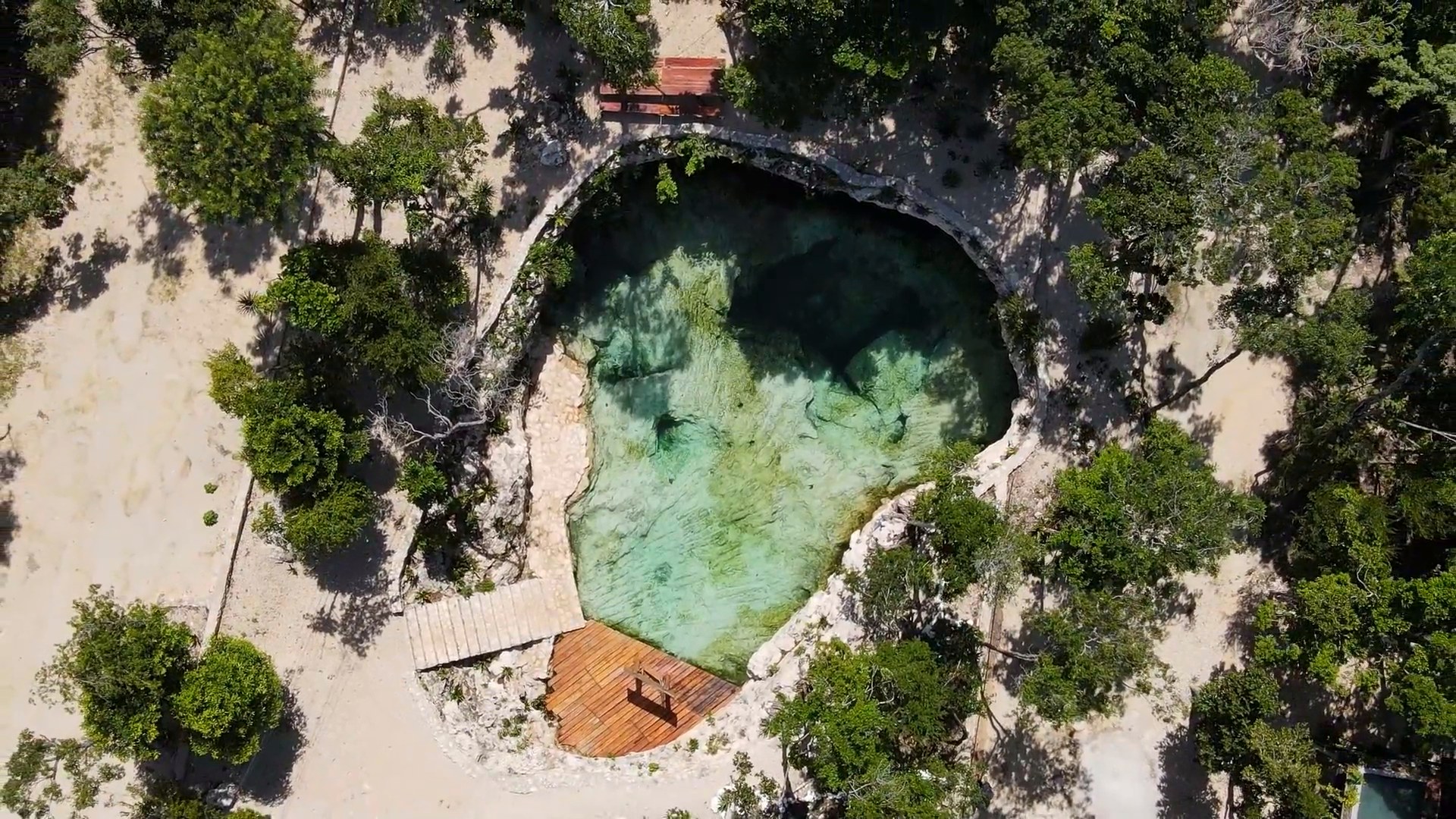
The photo above shows a cenote near Tulum, and the Short also shows other cenotes and cave pools. Cenotes are a fragile freshwater system and many are sacred to the Maya, so treat them with respect. We checked on November 7, 2026. Entry rules, fees and prices change, so confirm them with official sources before you reserve.

Where to stay

Find a place to stay

Tulum is the easiest base for this trip. Compare prices and reviews, and check the cancellation terms before you reserve.

See stays in Tulum on Booking.com →

Some links on this page are affiliate links. If you book through them, Letsa Atlas may earn a small commission at no extra cost to you.

Sources checked November 7, 2026: Wikipedia: Cenote · Wikipedia: Chicxulub crater · Lonely Planet: Cenotes of Mexico's Yucatán Peninsula