Tuvalu is a Polynesian island country in the Pacific, roughly midway between Hawaii and Australia. It has three reef islands and six atolls, about 26 square kilometers of land and 10,643 residents at the 2022 census. Its highest point is 4.6 meters above sea level, which makes it one of the lowest countries on Earth.
It is a very small, very remote place. A visit is about people, lagoon and daily life on a thin strip of land, not about a long list of attractions, and it comes with a real conversation about the future.
Tuvalu is the country in our video about places that could disappear by 2100. For the quick version of this page, see our Tuvalu travel guide.
Tuvalu has three reef islands, Nanumanga, Niutao and Niulakita, and six atolls: Funafuti, Nanumea, Nui, Nukufetau, Nukulaelae and Vaitupu. The capital and largest town is Funafuti. The text of the country's main reference gives a land area of about 25 to 26 square kilometers.
The highest elevation, 4.6 meters, is on Niulakita. That is the second-lowest maximum elevation of any country, after the Maldives.
At Funafuti, a tide gauge shows the sea level rising 3.9 millimeters a year, about twice the global average. Satellite data since 1993 show roughly 5 millimeters a year. A rise of 20 to 40 centimeters over the next 100 years could make Tuvalu uninhabitable.
The picture is not simple. A 2018 study found that 75 percent of the islands grew in area between 1971 and 2014, but the Tuvalu government disputed that the country is gaining habitable land. Both facts can be true at once: the shape of the islands can shift while the risks of flooding, salt in the groundwater and storms still rise.
On 15 November 2022 Tuvalu announced plans to build a digital replica of itself to preserve its culture. On 10 November 2023 it signed the Falepili Union with Australia, which provides a pathway for 280 citizens a year to migrate to Australia for climate-related reasons.
Tuvalu joined the United Nations on 5 September 2000, as the 189th member, and it became independent from the United Kingdom on 1 October 1978. It is a constitutional monarchy within the Commonwealth, and Charles III is king.
The official languages are Tuvaluan and English. Tuvaluan is spoken by virtually everyone, while English is not used in daily life, so a few words of Tuvaluan go a long way. The currency is the Tuvaluan dollar, adopted in 1976, and the Australian dollar also circulates.
The economy relies on fishing licences, grants and aid, and remittances from seafarers. The country also earns income from its .tv internet domain, which many people know without knowing it belongs to a country.
The wet season runs from November to April and the dry season from May to October. Typical rainfall is 200 to 400 millimeters a month. Funafuti averages 3,512.6 millimeters a year, a mean daily maximum of 30.8 °C and about 2,347 hours of sunshine.
The dry season is the more comfortable time for most visitors, but the temperature stays warm all year, so the main question is how much rain you are happy to plan around.
We have not verified current flight schedules, so check with airlines and official sources. In practice, Tuvalu is reached by air to Funafuti, and the service is limited, so plan the trip around the schedule and keep some slack. Entry rules depend on your passport and can change.
Because flights are infrequent, a short trip can easily turn into a long one if a flight is cancelled. Do not book tight onward connections.
There are very few places to stay, nearly all on Funafuti. Book well ahead and confirm directly. Most things on the islands are imported, so expect higher prices and limited choice, and bring any medication and sun protection you need. Bring cash in Australian dollars and check what cards work before you go.
Tuvalu became independent from the United Kingdom on 1 October 1978 as a constitutional monarchy within the Commonwealth. It joined the United Nations on 5 September 2000, the 189th member, which was a notable step for a country with about ten thousand people.
The country's modern diplomacy is shaped by its size and its exposure to climate risk. Its voice at international meetings on the climate is one of the main ways it has drawn attention to the issue, and the Falepili Union with Australia in 2023 is the most recent major agreement.
The economy relies on fishing licences, grants and aid, and remittances from seafarers who work on ships abroad. The .tv internet domain also brings in revenue, since the two letters are useful for video sites. Because there is little land, there is little farming, and food is largely imported.
For a visitor this means that the shops and services are small, that imported goods are expensive and that the arrival of a ship or a flight can shape the day. It also means that tourism, while small, can matter to the families who host guests.
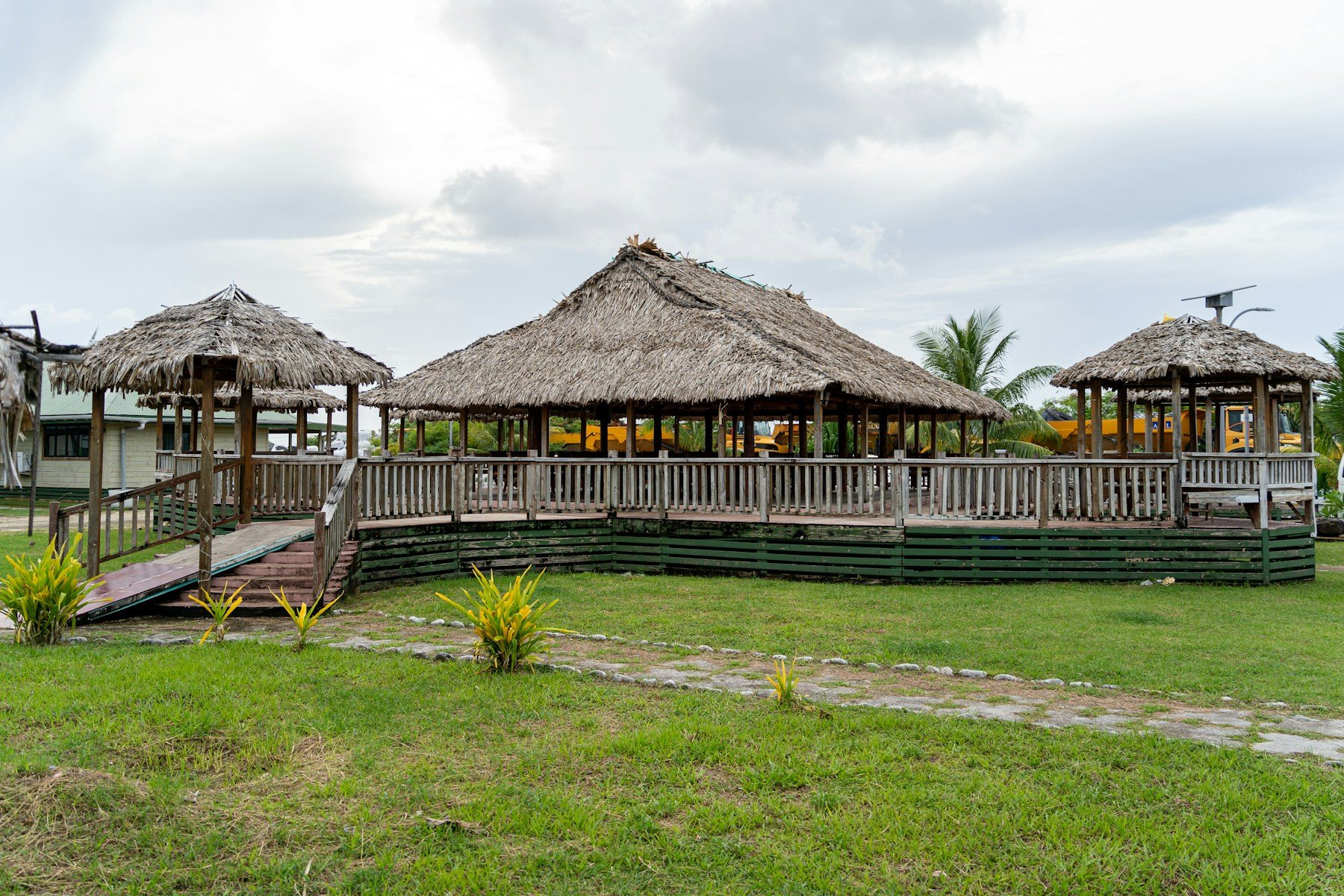
Daily life is organised around family, church and the island community. Open-sided thatched meeting houses, which you can see in photographs of Funafuti, are used for gatherings. Tuvaluan is the language of daily life, while English is used in government and school.
Visitors are best off arriving with humility. Ask before joining events, dress modestly in villages, learn the basic greetings and accept invitations with thanks. The pace is slow, and rushing is rarely helpful.
The Funafuti Conservation Area contains 40 percent of Funafuti's native broadleaf forest and includes a fishing exclusion zone in the lagoon. Reefs and lagoons are the center of food and daily life on the atolls, and they are also what protects the islands from waves.
If you swim, snorkel or boat, ask local people about currents, tides and where it is safe. Do not walk on live coral, and do not collect shells or coral. Respect any restrictions that apply in the conservation area.
Tuvalu is a place to slow down. These are the kinds of things visitors look for.
This is our own suggestion, not an official itinerary.
Many people in Tuvalu live with the question of the sea every day. Ask rather than assume, avoid treating the country only as a symbol, and listen to what people say about their own islands. Dress modestly in villages, ask before taking photographs and follow local advice on the lagoon and the reef.
The highest point is 4.6 meters above sea level, on Niulakita.
Sea level at Funafuti is rising about 3.9 mm a year, and a 20 to 40 cm rise over 100 years could make it uninhabitable. A 2018 study found many islands grew in area, but the government disputes that the country is gaining habitable land.
A treaty signed with Australia on 10 November 2023, which provides a pathway for 280 citizens a year to migrate for climate-related reasons.
10,643 at the 2022 census.
The Tuvaluan dollar, with the Australian dollar also in use.
Tuvaluan and English, but Tuvaluan is spoken by virtually everyone.
Wet season November to April, dry season May to October, warm all year.
Funafuti.
Tuvalu has very few places to stay, nearly all on Funafuti. Book well ahead, confirm directly and expect limited choice. Compare prices and reviews, and check the cancellation terms before you reserve.
See stays in Funafuti on Booking.com →
Some links on this page are affiliate links. If you book through them, Letsa Atlas may earn a small commission at no extra cost to you.
We checked this guide on November 10, 2026. Flight schedules, entry rules and prices change, so confirm them with official sources and airlines before you go. Confirm details with official sources before you go.
Sources checked November 10, 2026: Wikipedia: Tuvalu