A practical guide to Palau: how Jellyfish Lake works and why scuba diving is banned there, the Rock Islands, the best dive sites, the Palau Pledge and fees, how to get there, the weather and costs.
Palau is an island country in Micronesia, in the western Pacific, made up of about 340 islands. Its capital is Ngerulmud on Babeldaob, but the largest city, Koror, is where about two-thirds of the roughly 17,000 residents live and where most visitors stay. The currency is the US dollar, and the official languages are Palauan and English.
Palau is known for scuba diving and snorkeling: barrier reef walls, World War II wrecks, and the Rock Islands Southern Lagoon, declared a UNESCO World Heritage Site in 2012. It is also one of the pioneers of marine conservation, with the world’s first shark sanctuary created in 2009 and 80 percent of its waters protected in 2015.
Our 18-second Short about Palau is below. For the quick version, see our Palau travel guide.
Palau is a presidential republic in free association with the United States. Its economy is built mainly on tourism, subsistence agriculture and fishing, and a significant share of national income comes from foreign aid. Population figures differ by source, between about 16,800 and 21,900, which is a reminder of how small the country is. About two-thirds of the people live on Koror.
Palauan and English are the official languages. Sonsorolese and Tobian are recognized at the state level, and Japanese is recognized in Angaur, a legacy of the history of the islands. The country’s approach to conservation is a large part of why people visit: the shark sanctuary of 2009 banned commercial shark fishing across its waters, and in 2015 Palau officially protected 80 percent of its water resources.
That means a visit here comes with rules, from the pledge in your passport to the permit for the Rock Islands. They are part of the experience, and they are the reason the reefs still look the way they do.
Jellyfish Lake, called Ongeim’l Tketau, is a marine lake on Eil Malk in the Rock Islands, between Koror and Peleliu. The boat ride from Koror takes about 45 minutes, followed by a short trail from the beach to the lake. The lake is about 460 meters long and 160 meters wide, with an average depth of about 30 meters.
It is home to millions of golden jellyfish and some moon jellyfish. Both species have stinging cells, but they are generally not strong enough to harm people, and you may only notice them on sensitive skin such as around the mouth. The golden jellyfish move across the lake every day, west to east in the morning and back in the afternoon, which researchers think helps them avoid anemones that eat jellyfish and keeps them in the sun for their symbiotic algae.
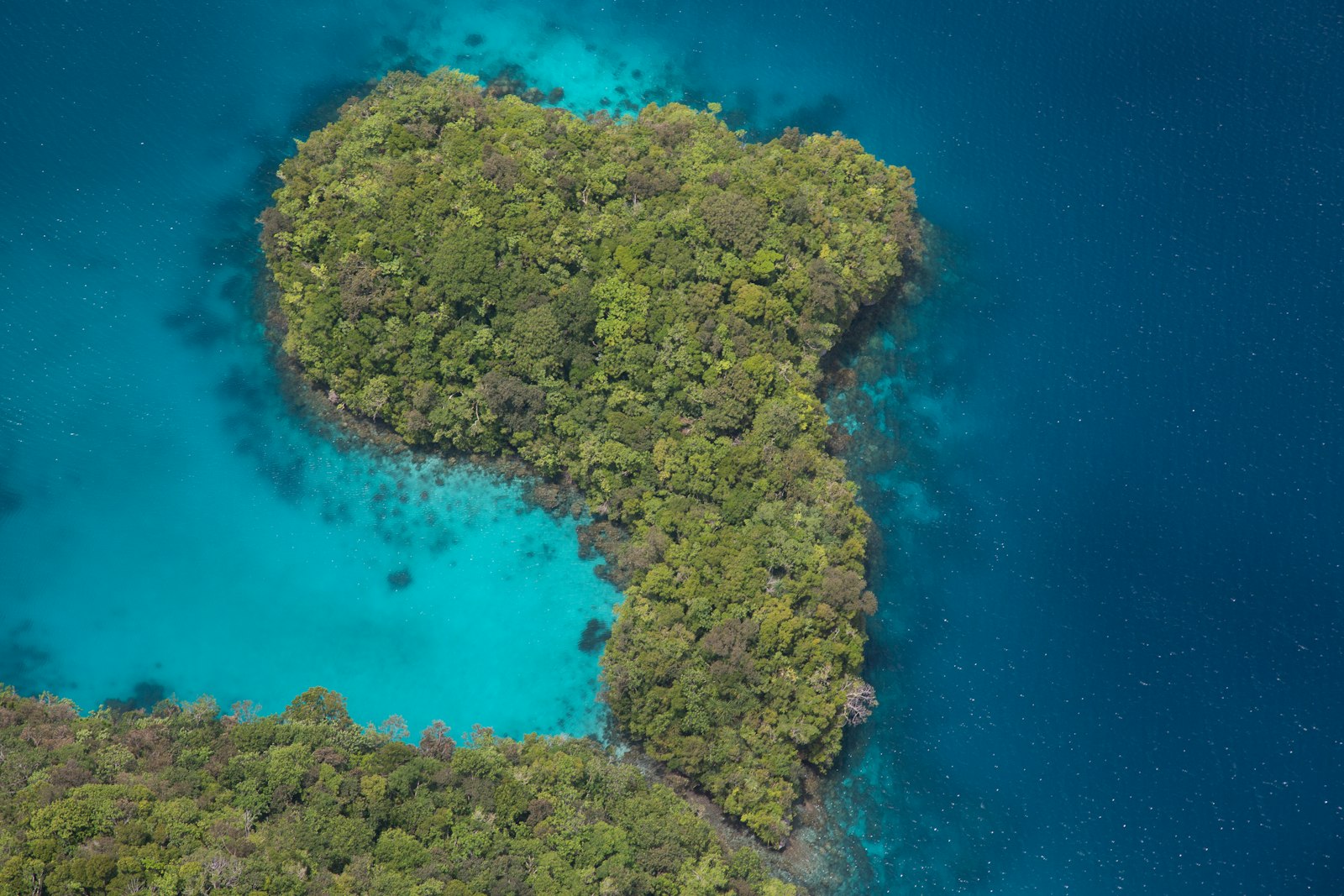
The Rock Islands are a cluster of limestone islands covered in jungle, with lagoons, beaches and reefs around them, and almost all boat trips head there from Koror. Tourism in Palau centers on diving and snorkeling. Popular dive sites include Blue Corner, Blue Hole, German Channel and Ulong Channel. Most dives run from boats, and a two-tank dive was cited at around US$150 in the guide we used, so check current prices.
Bull sharks are common in coastal waters and estuaries, so take care, and saltwater crocodiles live in the mangroves and the Rock Islands, although no recent tourist attack has been reported by the guide. Most visitors never have a problem, but follow your guide’s instructions about where to swim. Diving here also includes World War II wrecks and barrier reef walls, which are a major draw for divers.
In 2017, Palau became the first country to establish an eco-promise: the Palau Pledge, which is stamped in the passports of local and foreign visitors, asks you to act in an ecologically and culturally responsible way. Palau also has an environmental fee and an entry form for visitors, and a cash-only departure tax at the airport, according to the guide. Amounts change, so confirm them on the official Pristine Paradise Palau site.
US citizens are listed as visa-free, since Palau is in free association with the United States. Other nationalities should check the official entry page for their passport.
The climate is tropical all year, with a mean temperature of about 28 °C. Rain is heavy through the year and falls more often from June to October, though sunshine is still common. Palau lies on the edge of the typhoon belt, and direct typhoon strikes are rare. Mike, Bopha and Haiyan are the only systems on record to strike as typhoons.
Because there is no true off-season, the best time depends on the sea and your plans. Calmer weather in the drier months makes boat trips to the Rock Islands more comfortable, and diving is possible all year, so check conditions with your operator.
Palau’s main airport is on Babeldaob. It has direct flights to Guam, Manila, Brisbane and Taipei, and United Airlines serves Guam and Korean Air serves Incheon. Scheduled flights listed in the guide also go to Seoul, Macau and Manila, with charters to Tokyo, Hong Kong and Yap.
Koror has most shops, restaurants, hotels and dive operators, and guest houses start around US$50 a night, with resorts such as Palau Pacific Resort about 10 to 15 minutes from Koror. Sidewalks are limited, so you will want a car or a taxi or an organized tour.
Prices are high. A low-end budget was about US$100 a day in the guide, and diving, boat trips and permits add to that. Guides describe Palau as quite safe. Tap water is not safe to drink, so carry a refillable bottle and buy bottled or filtered water.
This is our own suggestion, not an official itinerary.
If you are not a diver, snorkeling in the Rock Islands and Jellyfish Lake still gives you most of what makes Palau special.
Yes, snorkeling is popular at Jellyfish Lake, and the jellyfish’s stings are generally not strong enough to harm people. Scuba diving is not allowed, because bubbles can harm the jellyfish and the deep layer contains hydrogen sulfide.
It is the only one of Palau’s marine lakes open to tourists, but it has had population crashes before, so check with your operator before you plan around it.
Yes. At the time of our source, the Rock Islands and Jellyfish Lake pass cost US$100 and was valid for 5 days. Confirm the current amount on the official Palau site.
It is an eco-promise introduced in 2017, stamped in visitors’ passports, asking visitors to act in an ecologically and culturally responsible way.
The climate is tropical all year at about 28 °C. Rain falls more often from June to October, but sunshine is still common, and typhoons are rare.
Fly to Palau’s airport on Babeldaob, with direct flights from Guam, Manila, Brisbane and Taipei, and other scheduled flights from Seoul and Macau.
Yes. A low-end budget was about US$100 a day in our guide, and diving and permits add to that.
US citizens are listed as visa-free. Other nationalities should check the official entry page for their passport.
Koror is the base for most diving, boat trips and restaurants. Compare prices and reviews, and check the cancellation terms before you reserve.
See stays in Koror on Booking.com →
Some links on this page are affiliate links. If you book through them, Letsa Atlas may earn a small commission at no extra cost to you.
We checked this guide on November 8, 2026. Permit rules, environmental fees, departure tax, flights and which marine lakes are open change, so confirm them on the official Pristine Paradise Palau site. Confirm details with official sources before you go.
Sources checked November 8, 2026: Wikipedia: Palau · Wikipedia: Jellyfish Lake · Wikivoyage: Palau · Pristine Paradise Palau