Travel › Iceland › Iceland
Letsa Travel · Iceland

Iceland: waterfalls, geysers and long summer light

One of the safest and most expensive places you can visit, with a ring of volcanic scenery.

The story

An island with very little crime and a lot of weather

Iceland sits in the North Atlantic and is known for geothermal pools, glaciers and waterfalls. Travel guides describe crime there as very low, while the weather can change quickly.

It is part of the Schengen Area but not of the EU, so every traveller, including EU citizens, goes through customs on arrival.

112emergency number
Decnearly 20 hours of darkness, per Wikivoyage

From our Letsa Atlas Short · Watch on YouTube

Practical guide

Plan your Iceland trip

Check before you go: entry rules for your passport (including any pre-travel authorisation required for Schengen travel) change. Confirm them on official government sites before you go.

When to go

  • Summer is the best time, with the midnight sun.
  • Early or late winter can be good: prices are lower and the snow scenery is striking, but some sites are inaccessible.
  • Northern lights season is listed as September to April.

Getting there

  • Keflavík Airport (KEF) is the main airport, about 40 km from Reykjavík, and a FlyBus connects it to the city.
  • Icelandair passengers flying between the Americas and Europe can take a stopover of one to seven nights.
  • A ferry runs from Denmark to Seyðisfjörður in the east.

Getting around

  • A car is the most flexible option, and 2WD rentals work for the main roads. Reserve early.
  • F-roads are four-wheel-drive only and mostly closed from October to mid-June.
  • Speed limits are 90 km/h on paved roads and 80 km/h on unpaved roads. Watch for sheep and single-lane bridges.
  • Buses connect towns, and interior tours generally run in summer only.

Main sights

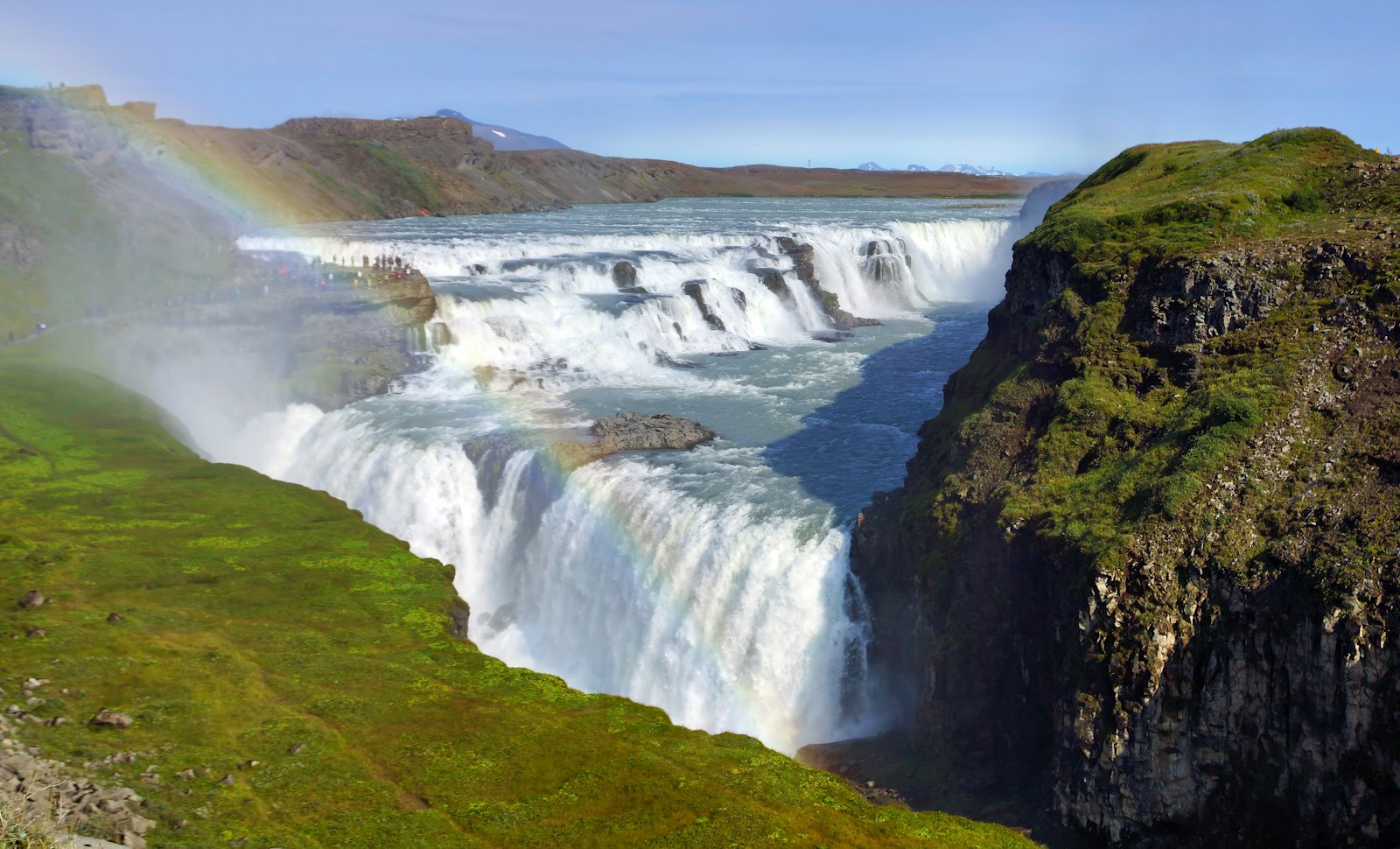
  • Gullfoss waterfall and the Geysir area, with the Strokkur geyser.
  • Þingvellir National Park.
  • Vatnajökull, Europe's largest glacier, and the Jökulsárlón glacier lagoon.
  • The Blue Lagoon geothermal spa.

Costs

  • The currency is the Icelandic króna. Guides describe Iceland as expensive, comparable to Norway or Switzerland.
  • Cards are accepted almost everywhere and tipping is not customary.
  • Bónus, Netto and Krónan are the cheaper grocery chains.

Safety

  • Stay away from glacier fronts, big waves and large waterfalls unless you are trained, and keep out of geothermal areas where the ground may be unstable.
  • Carry warm, waterproof clothing and extra food in case roads close.
  • Obey volcano and eruption-area closures.

Details come from Wikivoyage, which may lag behind current prices and rules. We checked on November 1, 2026. Entry rules, fees and prices change, so confirm them with official sources before you go.

Sources checked November 1, 2026: Wikivoyage (Iceland) · Visit Iceland