Travel › United States › Hawaii
Letsa Travel · United States

Hawaii: the most isolated island chain on Earth

The Hawaiian Islands sit in the middle of the Pacific, and on the Big Island you can still watch the volcano that built them erupt.

The story

Islands built by a hotspot in the middle of the Pacific

The Hawaiian Islands lie roughly 3,700 kilometers from the nearest continent. Measured on a coastline map, the closest mainland point is the California coast near Point Arena, and the closest inhabited islands are in Kiribati, about 1,700 kilometers to the south. Many sources call Hawaii the most isolated island chain on Earth, though the answer depends on how you define remote.

The islands were built one by one by a hotspot in the mantle. The Pacific plate moves over it at about 5 centimeters a year, so each volcano is carried northwest and a new one forms behind it. That is why the oldest main islands are in the northwest and only the Big Island is still growing.

The whole chain, the Hawaiian–Emperor seamount chain, runs about 6,200 kilometers across the Pacific floor and holds more than 80 identified undersea volcanoes. A new submarine volcano, Kamaʻehuakanaloa, is rising southeast of the Big Island, and it is expected to take at least 10,000 years to reach the surface.

~3,700 kmfrom Hawaii to the nearest mainland, the California coast
~5 cmper year the Pacific plate moves over the hotspot
6,200 kmlength of the Hawaiian–Emperor seamount chain, with 80+ undersea volcanoes

From our Letsa Atlas Short · Watch on YouTube

Practical guide

Plan your Hawaii trip

Check before you go: Kīlauea is erupting in episodes inside Halemaʻumaʻu crater (USGS aviation color code ORANGE on November 5, 2026), and volcanic gas can be hazardous for sensitive visitors. Check the USGS Hawaiian Volcano Observatory and the park's alerts and air quality page on the day, obey every closure and stay out of closed areas.

Safety first

  • Volcanic gases can be dangerous for sensitive groups, including children, pregnant visitors and people with heart or lung conditions. The park advises checking air quality during your visit.
  • Stay on marked trails and behind barriers. Ground near fresh lava and cracks can be unstable and hot.
  • Summit areas can be rainy and chilly, while the coast is hot, dry and windy. Bring layers, rain gear, water and sun protection.

Getting there

  • Fly into Hilo (about 30 miles, 45 minutes by road to the park) or Kona (about 95 miles, 2 to 2.5 hours via Highway 11).
  • There is no shuttle or public transport inside the park, and rental cars or bicycles cannot be rented in the park. Most visitors drive.
  • The island bus stops at the Volcano House intersection, but schedules can change. Rideshare apps are often hard to use near the park.

Fees and timing

  • Entrance is $30 per private vehicle (up to 15 people), $15 per person on foot or bike, or $25 per motorcycle. Visitors 15 and under are exempt on foot.
  • The Hawaiʻi Tri-Park Annual Pass costs $55 for US citizens and residents.
  • Parking lots can be full by 10 am, and the park warns of closures and delays from a two-year summit construction project.

Where to stay

  • Volcano House, inside the park, has 33 historic guest rooms. Reserve in advance and confirm it is open.
  • Nāmakanipaio has camper cabins and campsites managed by Volcano House.
  • Volcano Village, just outside the park, has many vacation rentals and bed and breakfasts.

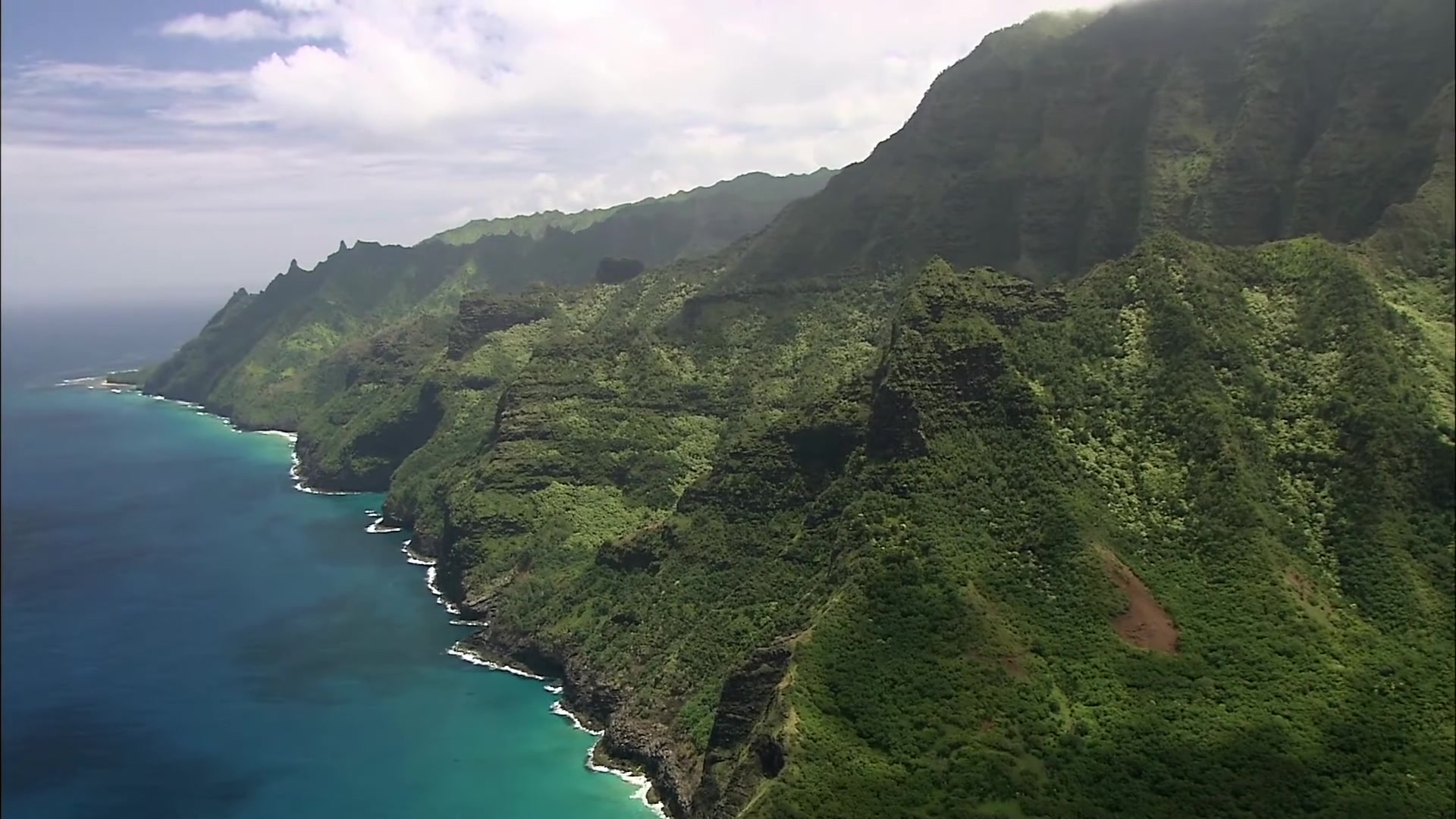
The photo above shows Kauai's green northwest coast, and the Short also shows Maui's beaches and Kīlauea's lava. Mauna Kea is a sacred mountain to Native Hawaiians, so treat it and its trails with respect. We checked on November 6, 2026. Entry rules, fees and prices change, so confirm them with official sources before you reserve.

Where to stay

Find a place to stay

Hawaii's Big Island is the easiest base for this trip. Compare prices and reviews, and check the cancellation terms before you reserve.

See stays on Hawaii's Big Island on Booking.com →

Some links on this page are affiliate links. If you book through them, Letsa Atlas may earn a small commission at no extra cost to you.

Sources checked November 6, 2026: USGS Hawaiian Volcano Observatory: Kīlauea updates · NPS: Hawaiʻi Volcanoes entrance fees · NPS: Directions · NPS: Lodging · NPS: Weather · Wikipedia: Hawaiian–Emperor seamount chain · Wikipedia: Hawaiian Islands