Travel › Bolivia › Bolivia
Letsa Travel · Bolivia

Bolivia: salt flats, thin air and a very risky road

The world's largest salt flat, a capital at 3,650 m and a mountain road with a notorious name.

The story

A country you feel in your lungs

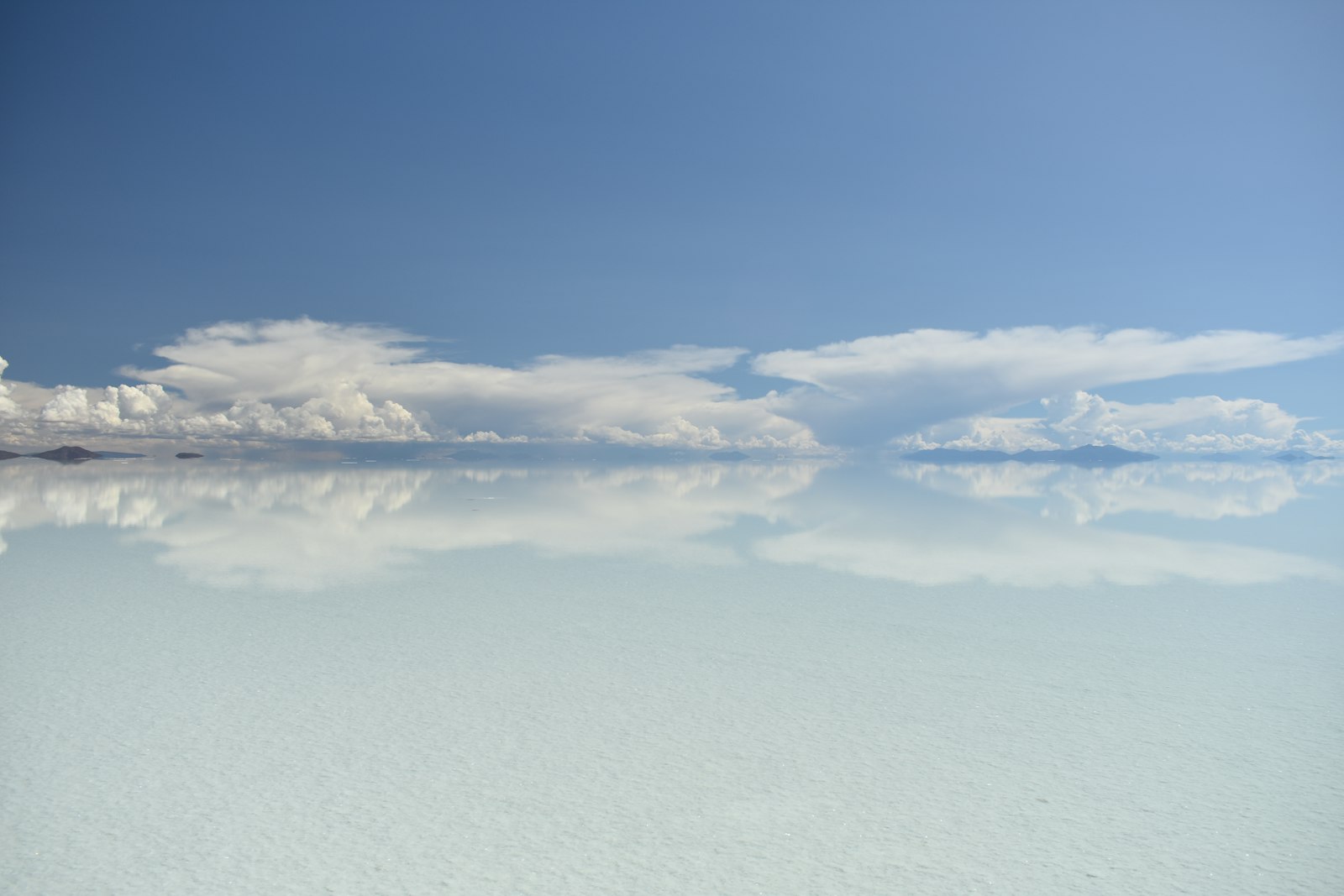
Bolivia's biggest draws sit high up. La Paz is about 3,650 m above sea level, and the Salar de Uyuni is the world's largest salt flat.

The Yungas Road, nicknamed the Death Road, is a roughly 64 km descent from La Cumbre (about 5,000 m) to Coroico. Today many visitors ride it by mountain bike with a tour operator.

3,650 mapproximate altitude of La Paz
64 kmlength of the Yungas Road descent, per Wikivoyage

From our Letsa Atlas Short · Watch on YouTube

Practical guide

Plan your Bolivia trip

Check before you go: entry rules depend on your passport, and road blockades or strikes can change plans at short notice. Check official government advice and local news before you travel.

Altitude

  • La Paz sits at about 3,650 m, Potosí about 4,010 m and the Lake Titicaca area about 3,400 m.
  • Pharmacies sell altitude-sickness pills and coca tea is widely available. Take your first days slowly.
  • UV is much stronger at altitude, so bring high-SPF sunscreen, a hat and sunglasses.

Getting there

  • The main airports are La Paz in the west and Santa Cruz in the east.
  • Overland routes exist from Peru, Brazil and Argentina, but only about 5% of roads are paved.

Best time

  • November to March is warmer and wetter.
  • April to October is colder and drier. La Paz is cold in April and May, so pack warm layers.

Main sights

  • Salar de Uyuni, the world's largest salt flat.
  • La Paz, Lake Titicaca and Isla del Sol.
  • Tiwanaku ruins, Sajama National Park, Sucre and the Potosí mines.

Getting around

  • Buses are cheap and many run overnight. Compare several companies.
  • Domestic flights and the scenic Oruro to Uyuni train are alternatives, and the train is best booked a few days ahead.
  • Road blockades are common and can last days. Do not try to drive around or through them. Strikes often affect taxis and long-distance buses.

Safety and health

  • Watch for the fake plain-clothes police scam, reported mainly in La Paz, Cochabamba and Sucre. Never hand over your passport or valuables or get into a vehicle with strangers.
  • Avoid shared taxis, and use radio taxis at night. Refuse food or drinks from strangers on long bus rides.
  • Do not drink tap water. Ask a travel clinic about yellow fever and malaria for rural lowland areas.

Details come from Wikivoyage, whose price figures date from 2018 and may be out of date. We checked on November 1, 2026. Entry rules, fees and prices change, so confirm them with official sources before you reserve.

Sources checked November 1, 2026: Wikivoyage (Bolivia)